5 lessons from a 40,000-hour trio controlling a Rust server
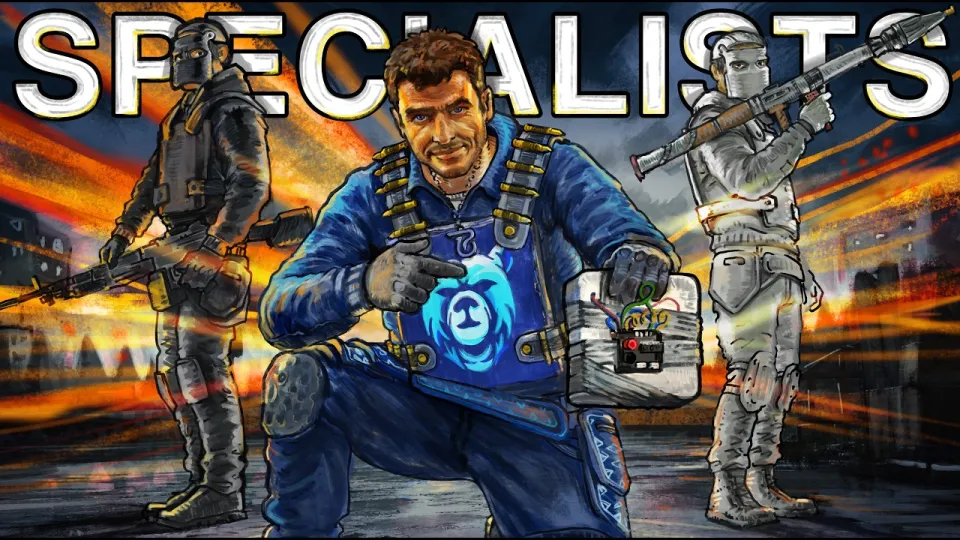
Video: How a 40,000-Hour Trio CONTROLS a SERVER - Rust
Want articles like this for your own video to promote it on YouTube and Google? Order them through the Telegram bot @sat_sit_bot. The bot writes and publishes the articles itself (with your YouTube video embedded) on popular topical websites (no ads). Your first 50 articles are free.
· based on the channel Blooprint
Key takeaways
- Blooprint, Disfigure, and Nine bring a combined 40,000 hours to a 500+ population Rust server.
- The wipe starts without major ambitions but escalates into full-server dominance and raids on all competition.
- Key moments include a horse kickflipping a mini and a full wipe of raiders interrupted by a chimichanga.
- The trio's edge comes from early aggression, gear confidence, and constant online pressure.
- Viewers praise the return of M2 and L9 roams and the nostalgic old-Rust feel.
A 40,000-hour trio controls a Rust server by combining early aggression, deep gear confidence, and relentless online pressure. In the Blooprint video, three veterans join a 500+ population server without major ambitions, then quickly dominate the competition through coordinated roams and raids. Their edge is not a single trick but a repeatable system of map control and psychological pressure. You can watch Blooprint live and see the same approach in action on Twitch, where the trio's sessions often continue beyond the edited video.
Why 40,000 hours changes the first hours of a wipe
The first hours of a wipe decide who controls the server, and a trio with 40,000 combined hours treats them as a launch window rather than a warm-up. They prioritize fast progression: securing a base location, farming efficiently, and converting early resources into weapons and raid tools before most players have a secure foothold. This speed compresses the usual timeline, letting them reach mid-game gear while rivals are still organizing. The result is a snowball effect where each successful fight funds the next raid and expands their map presence.
How the trio turns a fresh wipe into server dominance
Server dominance in Rust comes from controlling key resources and repeatedly removing rivals' ability to contest them. The trio's pattern is to identify active groups early, apply pressure through online raids, and deny loot recovery. They do not wait for perfect gear; they use what they have to create chaos and capitalize on the confusion. This approach forces other players to react, which hands the trio the initiative and lets them dictate engagements. Over time, the server's power balance shifts because the trio's reputation precedes them, and many groups avoid conflict altogether.
The gear confidence that makes roams work
Roaming with high-tier gear like the M2 and L9 is a statement of confidence that changes how fights unfold. When a trio moves with top-tier weapons, they can win fights faster and take risks that most players avoid due to gear fear. Viewers noticed the return of these roams and described it as a nostalgic throwback to older Rust days when Blooprint dominated with aggressive plays. The lesson is simple: gear is a tool for pressure, not a trophy to store. Using it actively creates more opportunities than saving it for a perfect moment.
Online raids and the psychology of pressure
Online raids are the trio's signature because they combine mechanical skill with psychological warfare. Defenders must organize under time pressure, while the attackers control the pace and can rotate targets. The video includes a moment where a full wipe of raiders is interrupted by a casual comment about a chimichanga, highlighting how the trio stays relaxed under pressure. That calm is a competitive advantage: it keeps communication clear and decisions fast. For anyone trying to replicate this, the takeaway is to practice raids online, accept losses, and treat each raid as a learning rep rather than a do-or-die event.
What viewers question about high-pop server control
Many viewers who have never played Rust still follow the story, but experienced players raise fair questions about how control is sustained. One common doubt is whether sudden improvements in aim from lurkers are suspicious, which points to the broader issue of cheating in high-pop servers. Another is whether the trio's dominance is simply a product of time investment rather than strategy. The honest answer is that both matter: hours build consistency, but strategy turns consistency into map control. The trio also benefits from a network effect, where their reputation makes other groups hesitant, reducing the number of fights they must take.
Practical takeaways for your own trio
A trio can apply the same principles without 40,000 hours by focusing on coordination and tempo. Start each wipe with a clear plan for base location, farming roles, and early weapon priorities. Use voice communication to call rotations and target focus, and avoid splitting loot across too many bases. Practice online raids on lower-stakes targets to build comfort, and review each fight to identify what went wrong. Finally, treat gear as expendable: the trio's success comes from using their best weapons in the field, not from hoarding them. These habits compound over time and can make a smaller group punch far above its weight.
Useful links
- Blooprint on Twitch — live streams and bonus content
- Blooprint on Kick — alternative streaming platform
- Blooprint on TikTok — short clips and highlights
- Blooprint on Twitter — updates and announcements
- Blooprint Discord — community and squad finding
Final thoughts on controlling a Rust server
The Blooprint video shows that controlling a 500+ population server is less about individual skill and more about tempo, pressure, and confidence. A trio with 40,000 hours uses early aggression to snowball, gear to dictate fights, and online raids to break rival morale. The relaxed attitude under pressure, even mid-raid, keeps their communication sharp and their decisions fast. For players looking to improve, the formula is repeatable: plan the wipe, use your best gear, and keep the initiative. Follow Blooprint on Twitch to see the trio's approach live and learn from each wipe.
Source: How a 40,000-Hour Trio CONTROLS a SERVER - Rust · Markdown version
Questions & answers
How does a trio with 40,000 hours actually control a Rust server?
They control it through early aggression, efficient progression, and constant online pressure. By reaching mid-game gear faster than rivals and using it in the field, they snowball each fight into more map control. Their reputation also makes other groups hesitant, reducing the number of fights they must take.
Is the trio's dominance just about playtime, or is there strategy involved?
Playtime builds consistency, but strategy turns that consistency into control. The trio plans base locations, assigns farming roles, and coordinates raids to deny loot recovery. They also use voice communication to keep decisions fast under pressure, which is a skill separate from raw hours.
Why do viewers question sudden aim improvements from other players?
In high-population Rust servers, suspicious aim can indicate cheating, and viewers are right to be skeptical. However, without direct evidence, it is safer to focus on what you can control: your own positioning, crosshair placement, and communication. The trio's response is usually to adapt and keep pressure rather than dwell on doubts.
What can a new trio learn from this video without 40,000 hours?
Focus on tempo and coordination first: pick a base location early, define farming roles, and prioritize weapons that let you contest fights. Practice online raids on lower-stakes targets to build comfort, and treat gear as a tool for pressure. Reviewing each fight for mistakes will compound your improvement faster than grinding hours alone.